Indigenous Voices in Speech Sciences and Technology
A session exploring the roles of speech sciences and technology in Indigenous cultural vitality and self-determination.
🗓️ Date: 27 September - 1 October 2026
📍 Location: International Convention Centre (ICC) on Gadigal Country in Sydney, Australia
Overview
Call for Participation
- Linguistic and sociolinguistic properties of Indigenous languages that present challenges and opportunities for speech science and technology projects;
- Opportunities for speech technologies to assist in teaching, learning, revitalisation, and re-awakening of Indigenous languages or knowledges;
- Speech data collection and governance frameworks which respect Indigenous expertise and Indigenous Cultural and Intellectual Property;
- Technology project partnerships which centre Indigenous communities, and which advance self-determination and building of capabilities;
- Technology projects which facilitate two-way learning between Indigenous and non-Indigenous communities;
- Technologies to support post-contact Indigenous language varieties such as Kriol, Light Warlpiri or Aboriginal English.
Details of how to submit research papers will be shared in the Interspeech 2026 website.
Additionally, we welcome proposals for other forms of participation and contribution to the session. Please email the organisers at indigenousvoicesinterspeech@gmail.com.
Important dates:
- January 17, 2026: Submission portal opens
- February 25, 2026: Paper submission deadline
- March 4, 2026: Paper update deadline
- April 24 – May 1, 2026: Rebuttal period
- June 5, 2026: Acceptance notification
- Sept 27 – Oct 1, 2026: Interspeech Conference
Organisers
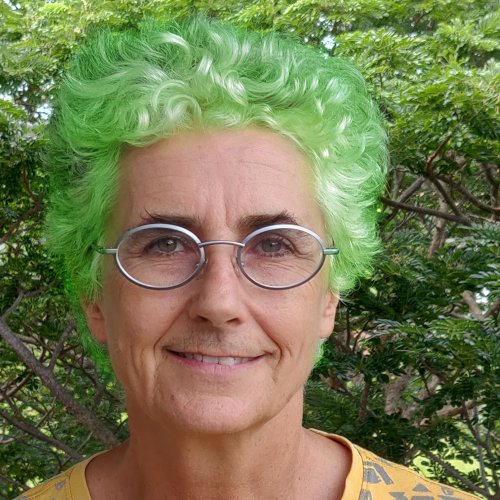
Cat Kutay
Charles Darwin University
Dr Cat Kutay is descended from seafarers of Yugambeh and Celtic origin. She is a Lecturer in the Faculty of Science and Technology at Charles Darwin University. Dr Kutay works with Aboriginal communities for both-way learning in engineering and IT projects, as a way for Aboriginal culture and knowledges to be acknowledged and integrated into Australian engineering approaches. Her research is in Indigenous knowledge management, Augmented Intelligence (AI) to support Language Learning, Data Sovereignty, and storytelling in gaming.
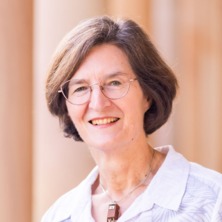
Janet Wiles
University of Queensland
Professor Janet Wiles has 30 years’ experience in research and teaching in machine learning, artificial intelligence, speech and language technologies, and social robotics, leading teams that span engineering, humanities, social sciences and neuroscience. She has developed a cross disciplinary course ”Voyages in Language Technologies” that introduced computing students to the diversity of Indigenous and non-Indigenous languages, and state-of-the-art tools for deep learning and other analysis techniques for working with language data.
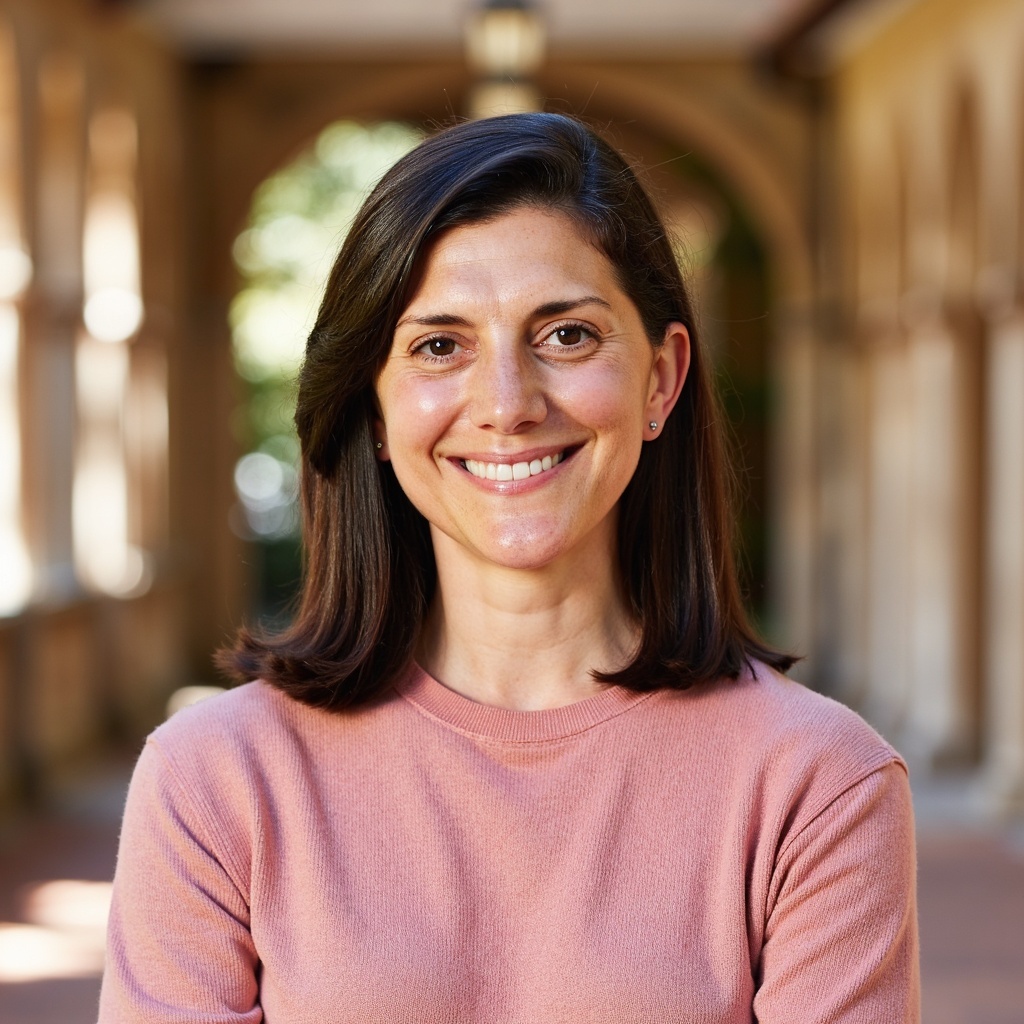
Celeste Rodriguez Louro
University of Western Australia
Associate Professor Celeste Rodríguez Louro is Director of the Language Lab and Linguistics Discipline Chair at The University of Western Australia. She is Deputy Chair of UWA’s Generative AI Think Tank. Celeste’s work spans language change, decolonisation, and inclusive AI technologies, with funding through the Australian Research Council and industry partnerships including Google and the Heart Foundation, working closely with Nyungar scholar Dr Glenys Collard. Assoc Prof Rodríguez Louro has a strong public presence through award-winning teaching, research, and outreach. Her current book project, co-authored with Dr Collard, is under contract with Cambridge University Press.
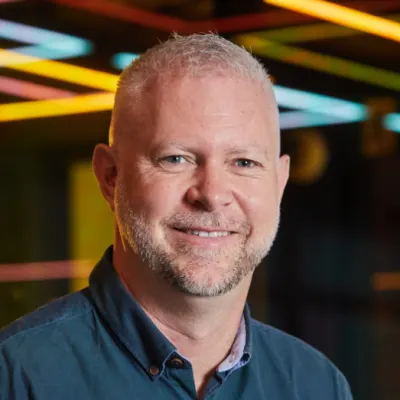
Ben Hutchinson
Google Research
Dr Ben Hutchinson is a senior researcher in Trustworthy and Responsible AI, in Google Research's Human-Centered AI research group. His research includes collaborating across disciplines to inform the ethical development of AI, with a focus on making language technologies and their development more inclusive. Dr Hutchinson is a lead investigator on the project Aboriginal English Voices, and co-led the workshop Envisioning Aboriginal and Torres Strait Islander AI Futures with Butchulla scholar Dr Rose Barrowcliffe.
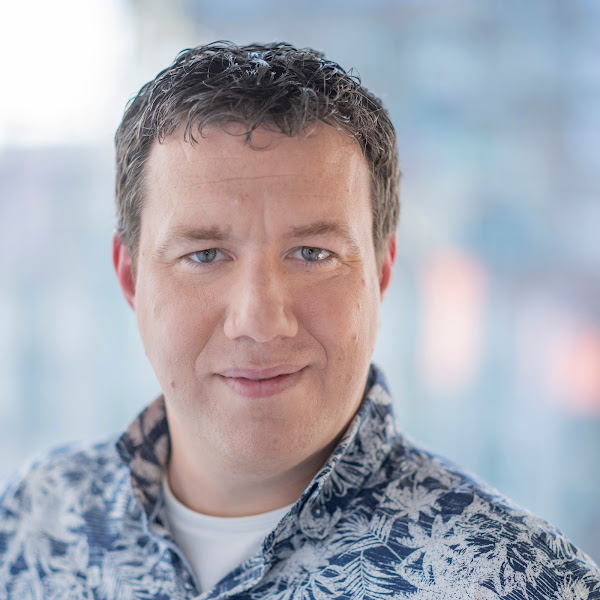
Daan van Esch
Google DeepMind
Daan van Esch is a Senior Technical Program Manager with the Google Speech team, working on internationalisation for speech and language technology at Google, harnessing machine learning and scalable infrastructure to bring support for new languages to products. Daan was also an advisory board member of the Australian Research Council-funded Centre of Excellence for the Dynamics of Language, advising on efforts to bring speech and language technologies to endangered languages in Australia and beyond.